
Avery Grant
Supportive, Research-Based Books on Autism and PDA — Compassionate, Neuroaffirming Tools You Can Use Today
Accessible, Neuroaffirming Guides
Real-Life Support for Navigating Autism and PDA
Short, research-backed guides built for busy parents who need practical tools that work in the real world.

Quick, Actionable Support
These concise, actionable guides offer strategies that work for parents, professionals, and neurodivergent individuals.

Rooted in Research
Clinical research translated into doable, neuroaffirming strategies that actually work for the unique reality of PDA and autistic families.

Neurodivergent-Affirming
Neurodiversity-informed and trauma-sensitive. These books empower you to parent with confidence, not control.
The Autism and PDA Support Series
A series of short, neuroaffirming guides designed to support families navigating autism and Pathological Demand Avoidance (PDA). Each book focuses on one daily challenge such as school resistance, hygiene, sleep, aggression, or friendships, and offers practical tools you can use immediately.
The Autism and PDA Coming of Age Series
The Autism and PDA Coming of Age Series helps parents of teens and young adults reframe "stuck" or "lazy" behaviors as unmet needs. From navigating puberty to building independence and career paths, these bite-sized, neuroaffirming guides offer steady support for the big shifts of adolescence. No shame. Just practical paths forward.

Additional Autism Support Guides
These autism guides support families who are navigating specific questions outside the PDA profile. They include a gentle, eye-opening guide to recognizing when anxiety may actually be autism, a step-by-step resource for telling your child they are autistic in a clear and compassionate way, and a practical guide to help relatives understand autism in a respectful, neuroaffirming way.
How to Access the Books (No Kindle Required)
All guides are eBooks to keep them affordable, instantly available in most countries, and easy to keep current with the latest strategies. No printing, no shipping, no delays — just accessible support when families need it most.
📱 Free Kindle App: Available on iOS, Android, or Amazon💻 Kindle Cloud Reader: Read instantly in any browser at read.amazon.com. No download required✨ Simple & Flexible: Works on any device, anywhere
The Avery Grant Mission
🤝 Why Families Need Support
Too many families raising neurodivergent children are left without resources. Waitlists stretch for months or years, therapists are hard to find, and affordable, practical guidance is rare. In that gap, children too often experience shame or misunderstandings that could have been prevented. Families deserve better.
📚 What Drives Us
At Avery Grant, our mission is to make compassionate, research-based, neuroaffirming strategies as accessible as possible—not just for families who can afford private therapy. Every guide blends lived experience and current research to reduce overwhelm and prevent the cycles of shame so many children grow up with.
🌍 Why We Publish as Ebooks
We publish as ebooks to keep our guides affordable, instantly available worldwide, and easy to update with the latest best practices. Families shouldn’t have to wait years—or spend hundreds of dollars—for strategies that can make daily life easier right now.
✨ Our Commitment to Representation
Representation matters. Every child and parent deserves to see themselves reflected in the resources they use. That’s why we make diversity a priority in the images and examples that accompany our books—so families see faces, stories, and experiences that are too often missing from traditional resources.
🌱 Our Vision
Because every child deserves to grow up understood, celebrated, and supported—never shamed for who they are.
Sign Up for the Avery Grant Newsletter
Get compassionate, neuroaffirming strategies and updates straight to your inbox. Be the first to know about new guides and practical tools for raising autistic & PDA kids.
Contact Avery Grant
Reach Out Anytime
Have feedback or a question? We’d love to hear from you.
📬 [email protected]
© Avery Grant 2026 | Privacy Policy | Contact
300 Lenora St. #6296, Seattle, WA 98121
As an Amazon Associate, I earn from qualifying purchases.
The Autism and PDA Support Series
As an Amazon Associate, I earn from qualifying purchases. This commission comes at no extra cost to you and makes it possible for me to keep creating these guides while keeping them low-cost and accessible for our community.
A series of short, neuroaffirming guides created to support families navigating autism and Pathological Demand Avoidance (PDA). Each book focuses on one real-life challenge such as school resistance, hygiene, sleep, aggression, or friendships and gives you practical tools you can use immediately.
Reader Favorite
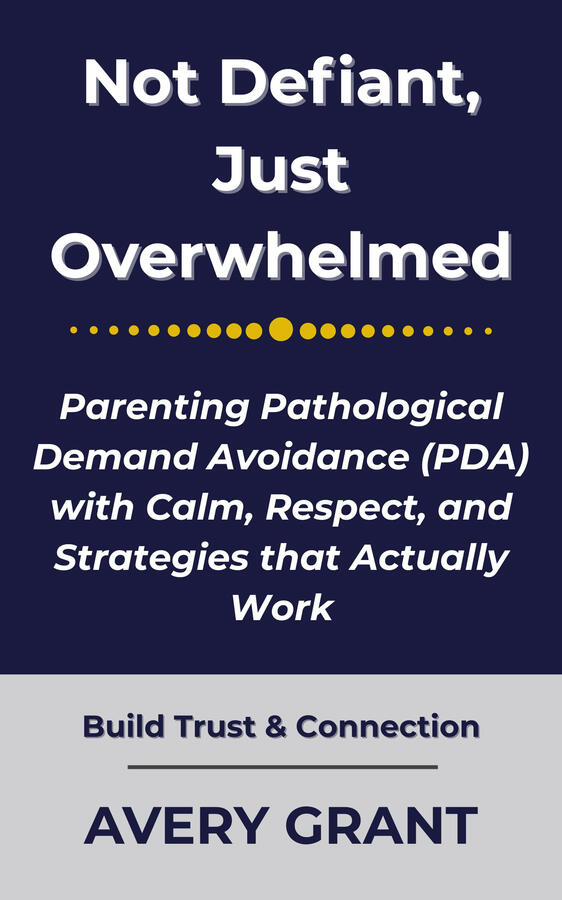
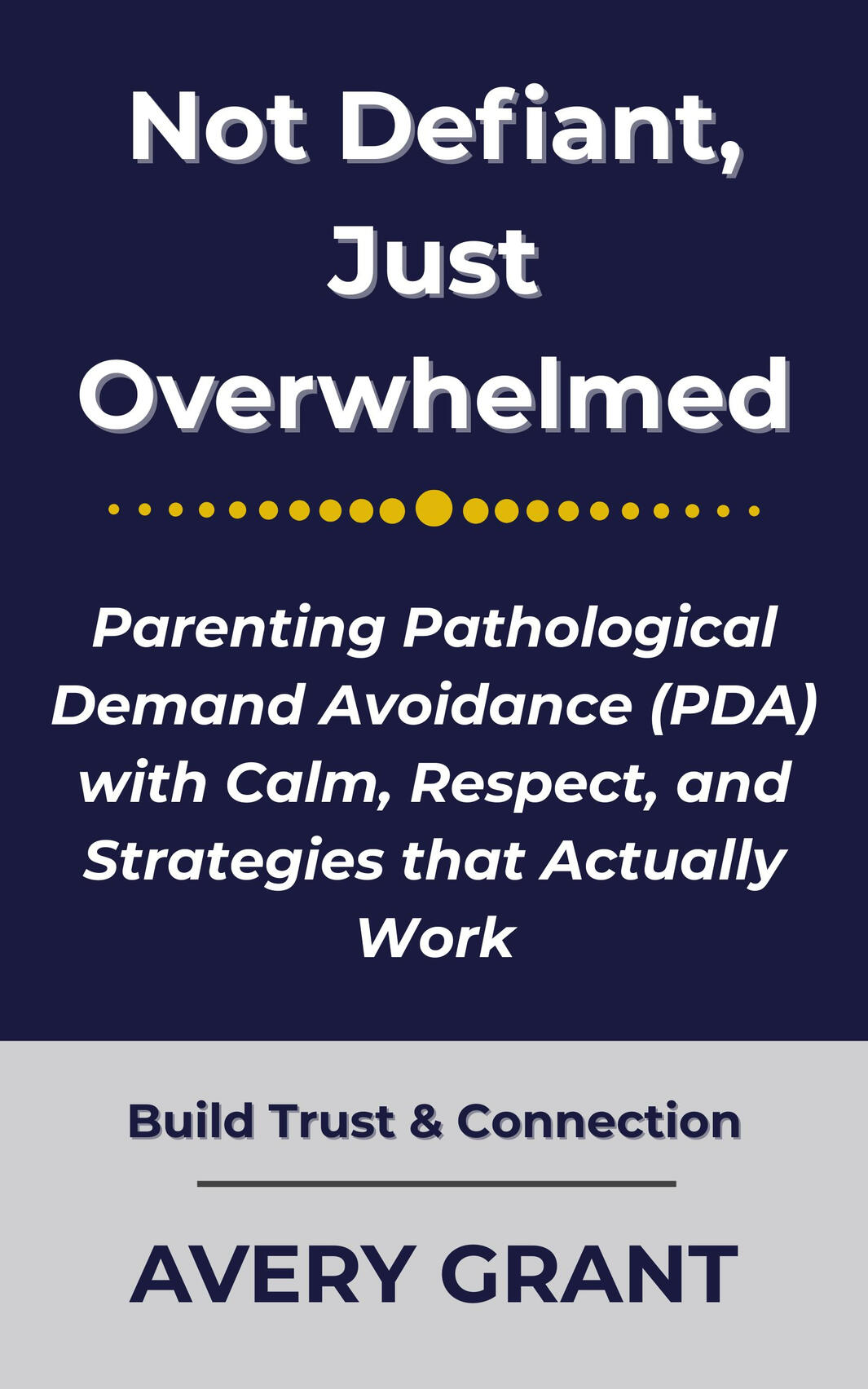
Not Defiant, Just Overwhelmed
Parenting Pathological Demand Avoidance (PDA) with Calm, Respect, and Strategies that Actually WorkYour child isn't defiant. They're overwhelmed. And every power struggle is a nervous system screaming for safety.
PDA is a profile of autism where everyday expectations feel threatening. It's also mistaken for ODD, ADHD, and anxiety every day — leaving kids without the right support for years.
This guide changes that. No diagnosis required. If demand avoidance is part of your daily life, these strategies are for you. What PDA actually is, why sticker charts backfire, and what actually reduces the meltdowns, the refusals, and the exhaustion.
Not about controlling the behavior. About removing the threat that's driving it.
Part of the PDA Support Series
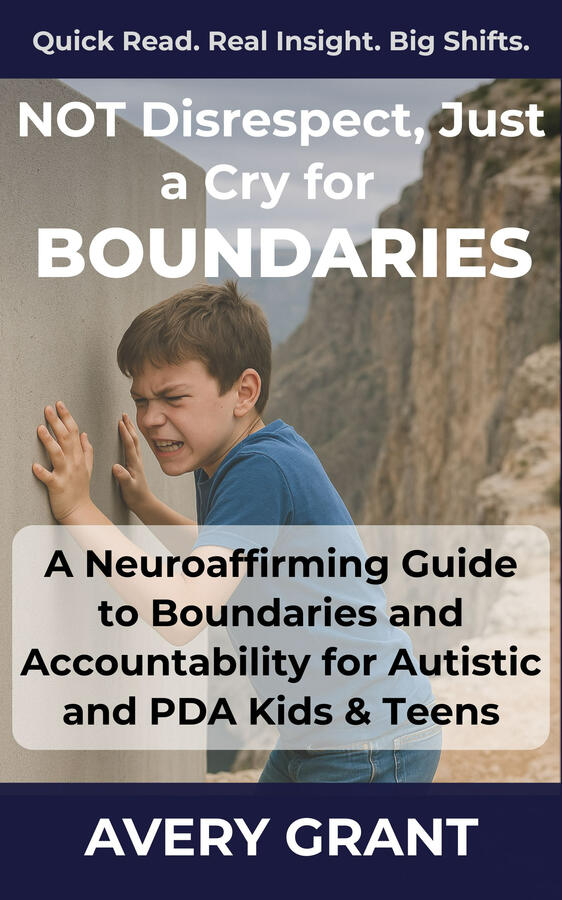
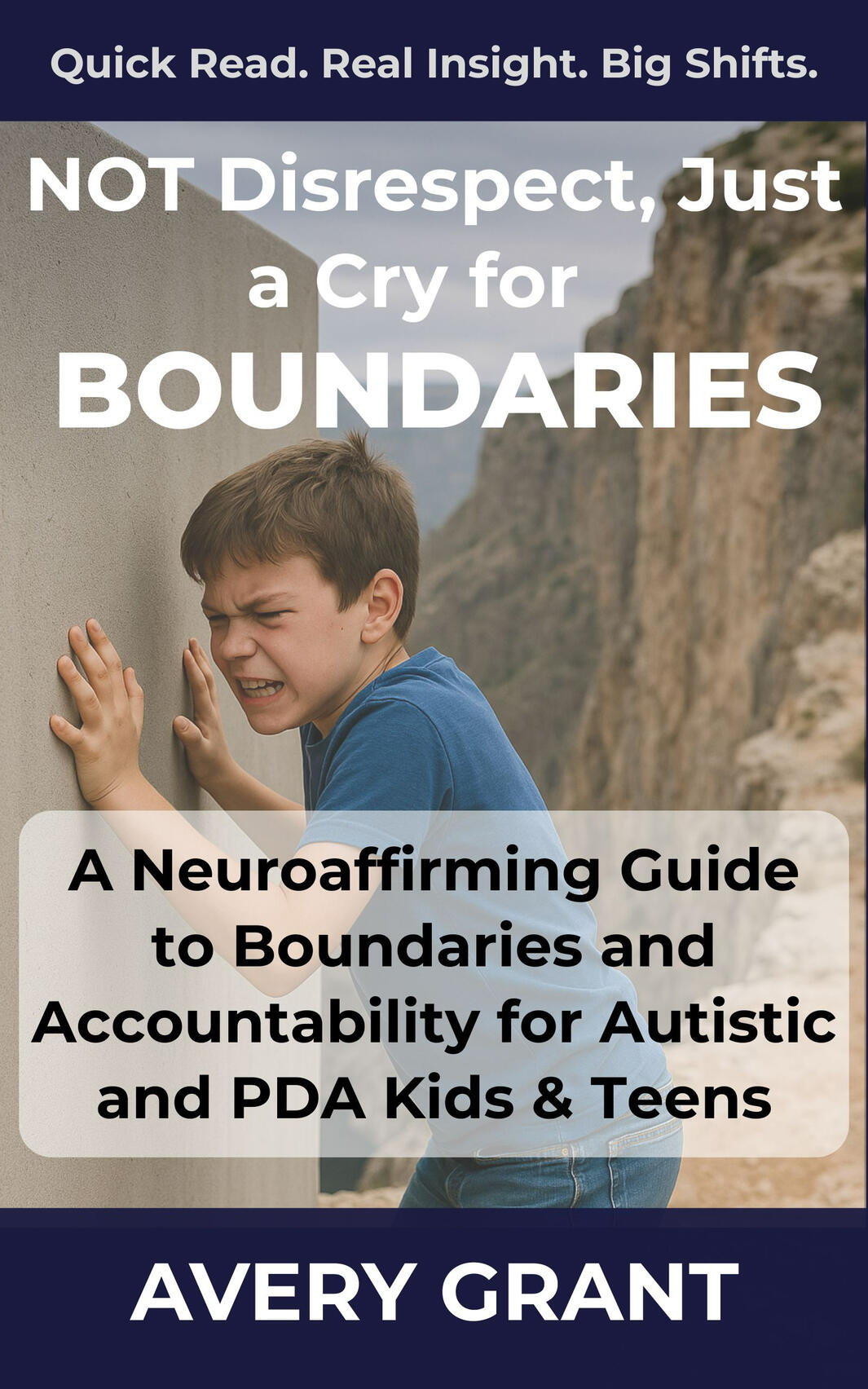
Not Disrespect, Just a Cry for Boundaries
A Neuroaffirming Guide to Boundaries and Accountability for Autistic and PDA Kids & TeensEvery "no" sparks a meltdown. So you stop saying no. And somehow things get harder.
Removing all demands isn't the answer — it leaves autistic and PDA kids feeling more unsafe, not less. But rigid rules and traditional consequences make things worse too. There's a middle ground, and most parents never get shown where it is.
This guide is that middle ground. How to hold firm, necessary limits without shame or power struggles. How to frame boundaries as safety instead of control. Scripts for the real moments — chores, screens, transitions, meltdowns — and tools to stay grounded when your child pushes back hard.
You can hold the line and stay on their team. Both at once.
Part of the PDA Support Series
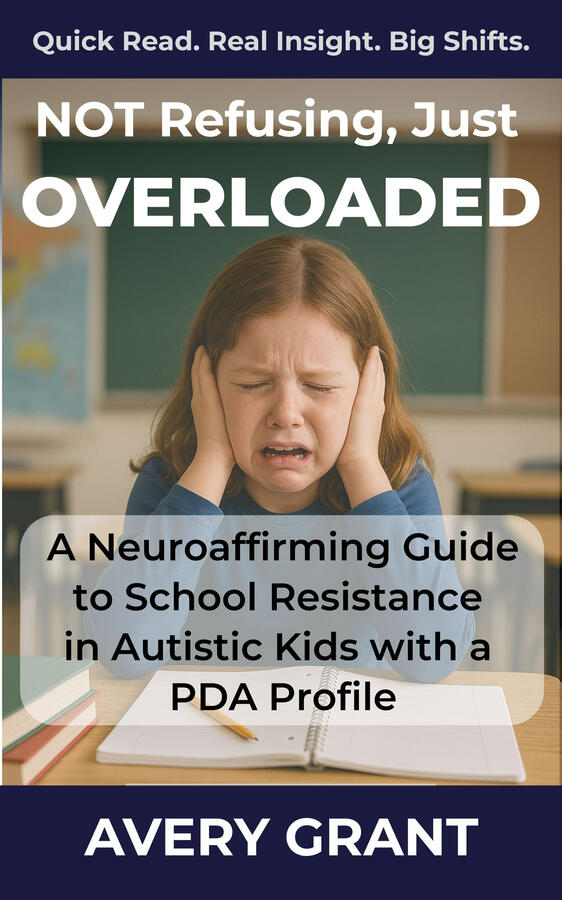
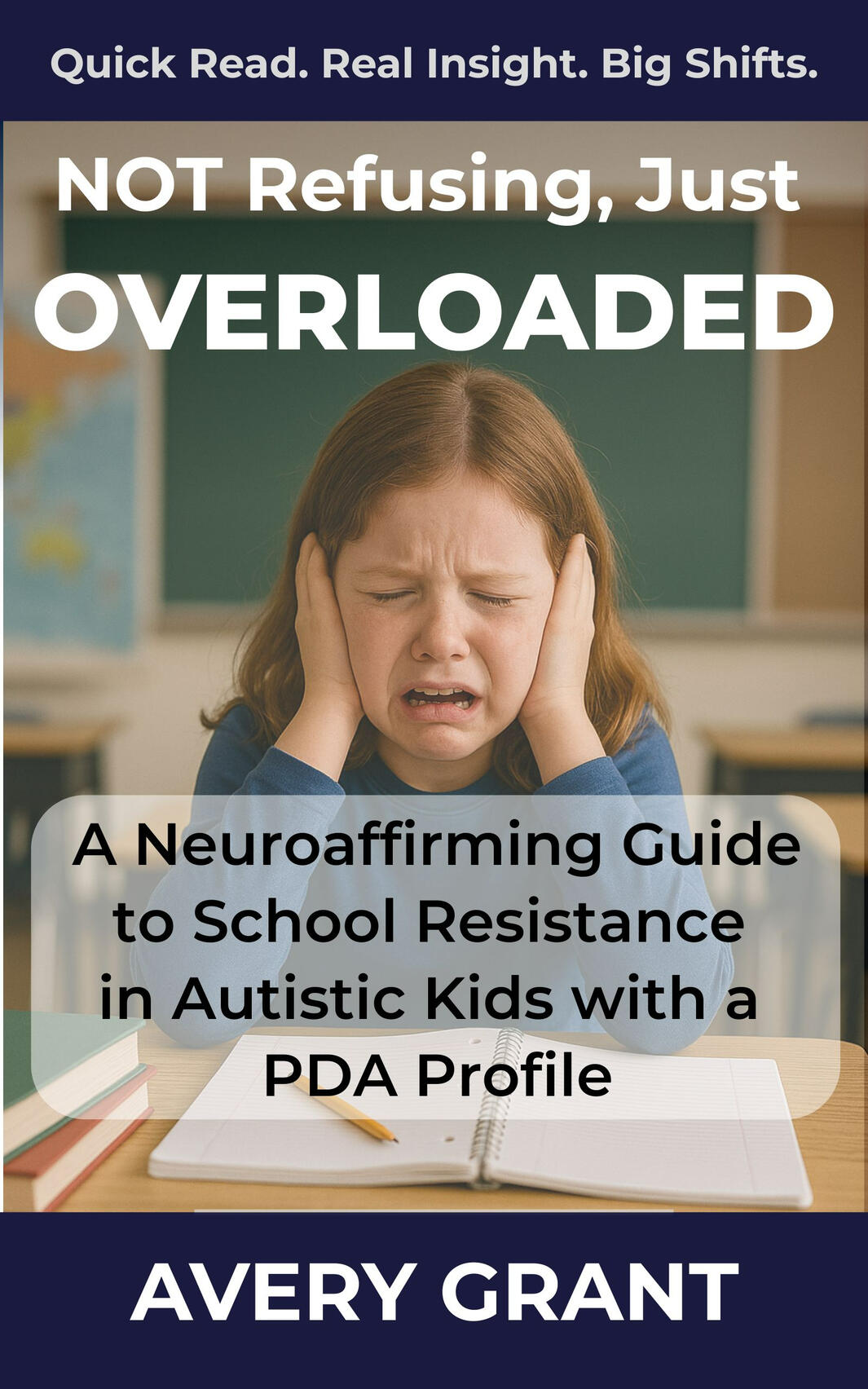
Not Refusing, Just Overloaded
A Neuroaffirming Guide to School Resistance in Autistic Kids with a PDA ProfileYour child isn't defiant. They're overloaded. And the system keeps getting it wrong.
When school mornings look like meltdowns, shutdowns, or total gridlock, it's not a behavior problem. It's a nervous system saying "I can't." For autistic kids with a PDA profile, typical advice doesn't just fail — it makes things worse.
This guide shows you what's actually going on beneath the surface. Then it gives you real tools: pressure-reducing strategies, scripts for hard moments, and clear guidance on advocating for the right supports — whether that's an IEP, 504, EHCP, or something outside the system entirely.
Not about forcing compliance. About building safety — so your child can breathe, and so can you.
Part of the PDA Support Series
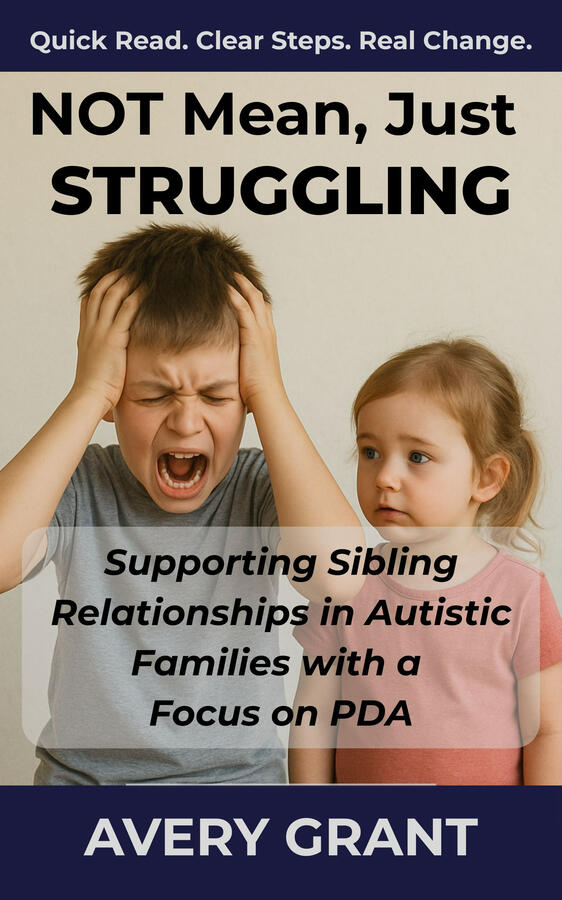
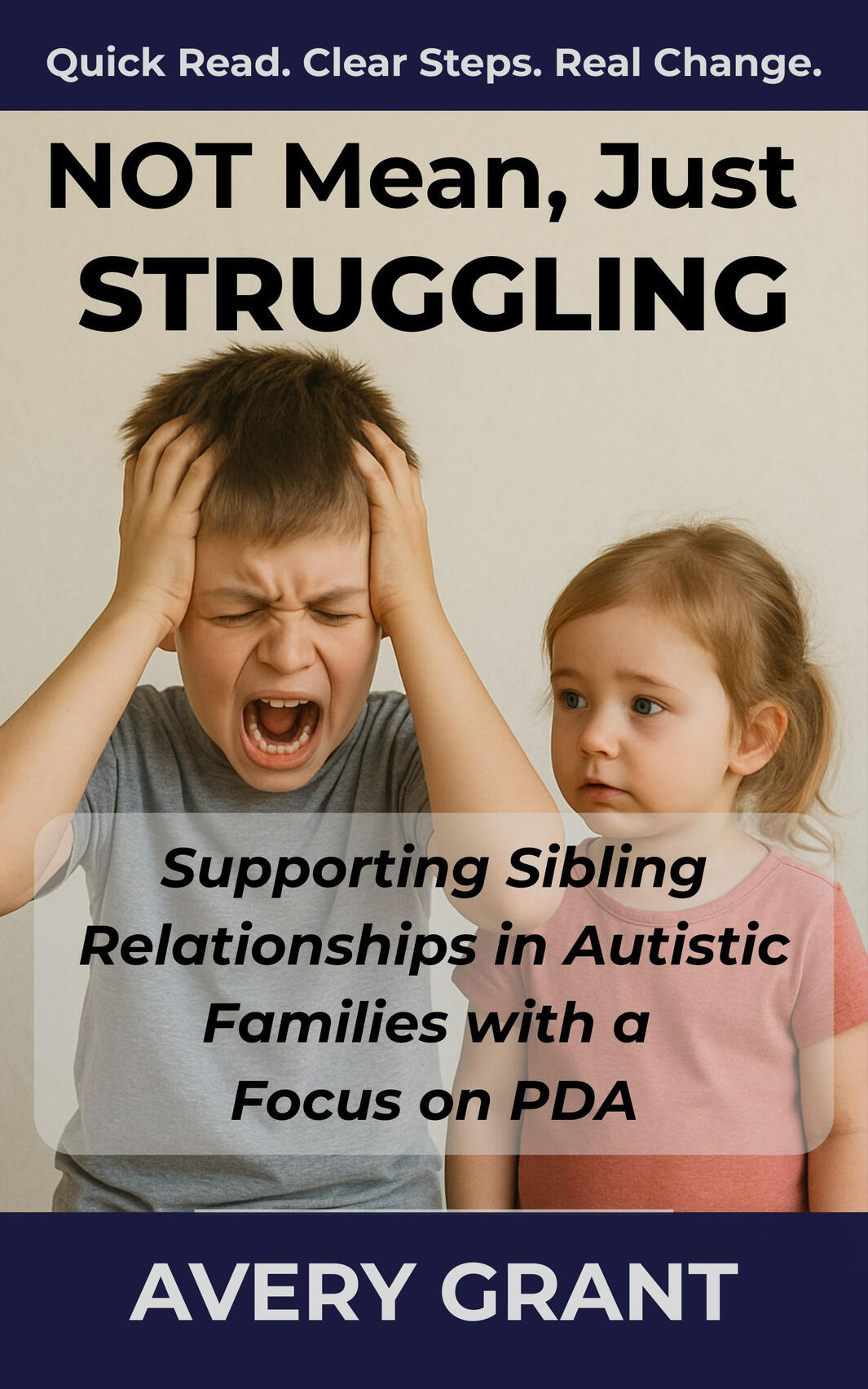
Not Mean, Just Struggling
Supporting Sibling Relationships in Autistic Families With a Focus on PDAOne child melts down. Another walks on eggshells. And you're stuck in the middle — again.
When PDA is in the mix, sibling conflict isn't just hard. It's relentless. Whether you have one neurodivergent child or a whole houseful, the fallout touches every kid — including the ones who seem fine.
This guide supports all of them. The PDA child. The autistic sibling. The neurotypical kid who's learned to shrink. Scripts, strategies, and a framework that reduces chaos and helps every child feel safe and seen.
Less refereeing. More connection. For every kid in your house.
New in the PDA Support Series
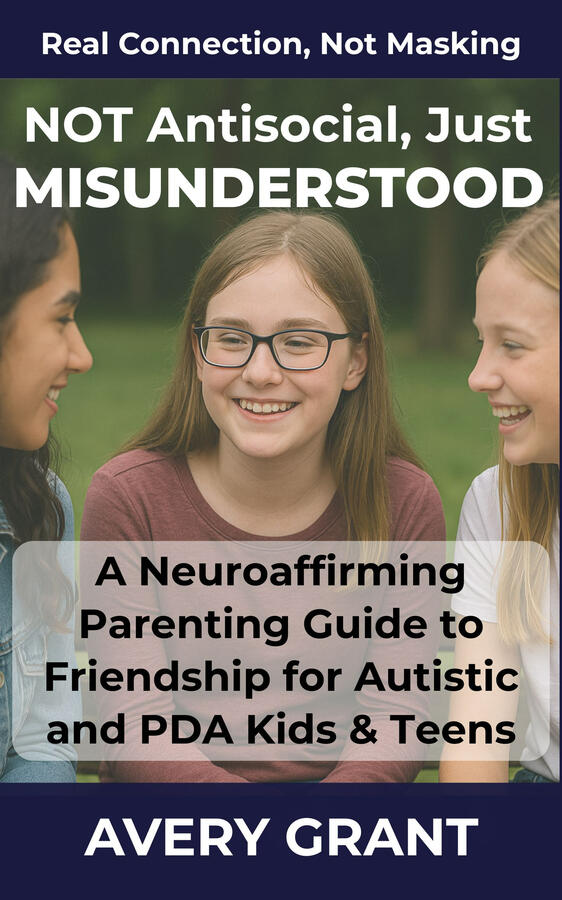
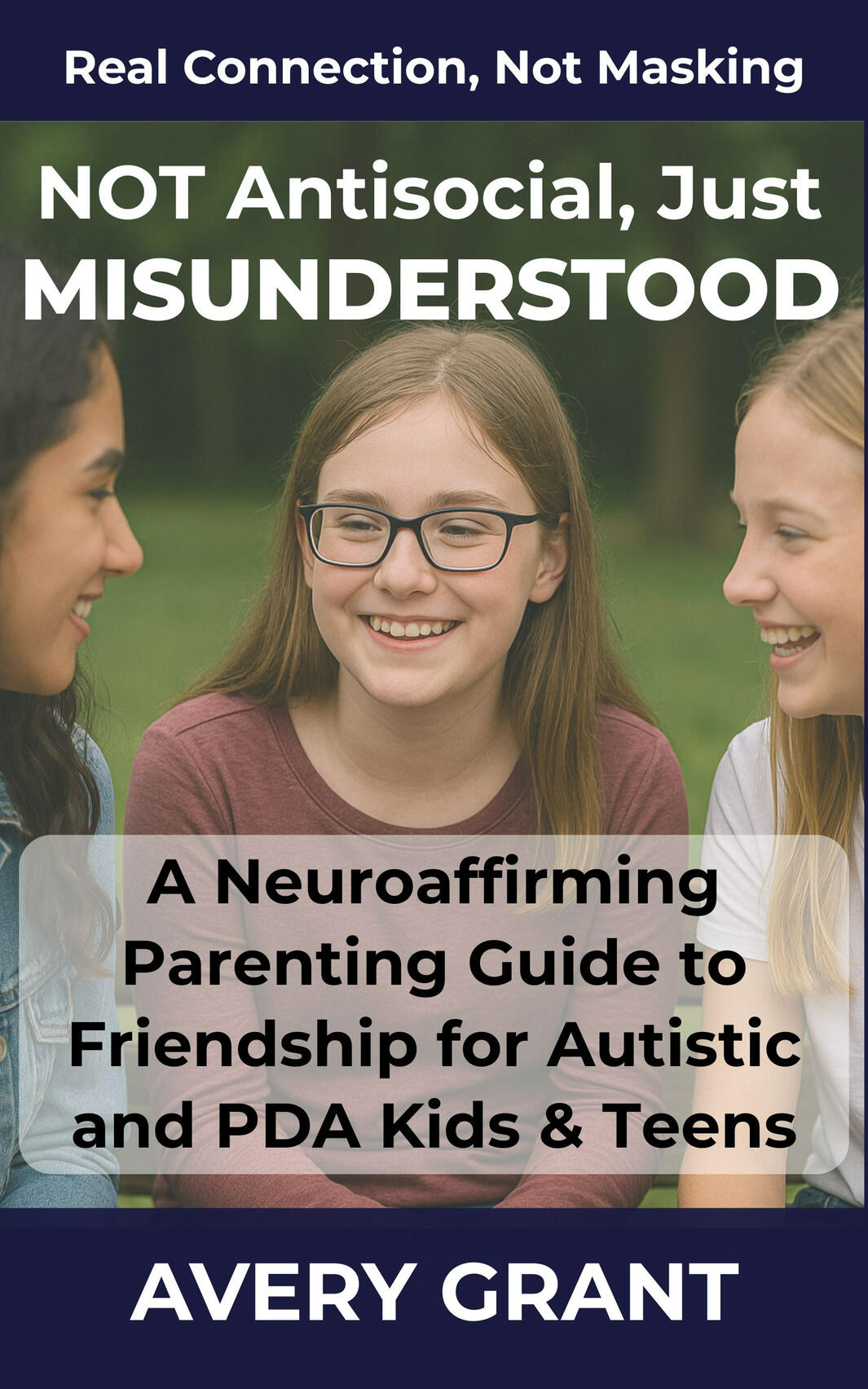
Not Antisocial, Just Misunderstood
A Neuroaffirming Guide to Friendship for Autistic and PDA Kids & TeensYour child isn't antisocial. They're misunderstood — and friendship is harder when the social world wasn't built for how your kid thinks.
For autistic and PDA kids, connection is real and wanted. But hidden rules, social fatigue, and the pressure to mask make it exhausting. Traditional advice often backfires. Forcing it makes things worse.
This guide helps you replace pressure with possibility. How to help your child start friendships naturally, maintain them without burnout, handle bullying and rejection, and navigate loneliness — all without asking them to perform or pretend.
Connection on their terms. Not the world's.
Part of the PDA Support Series
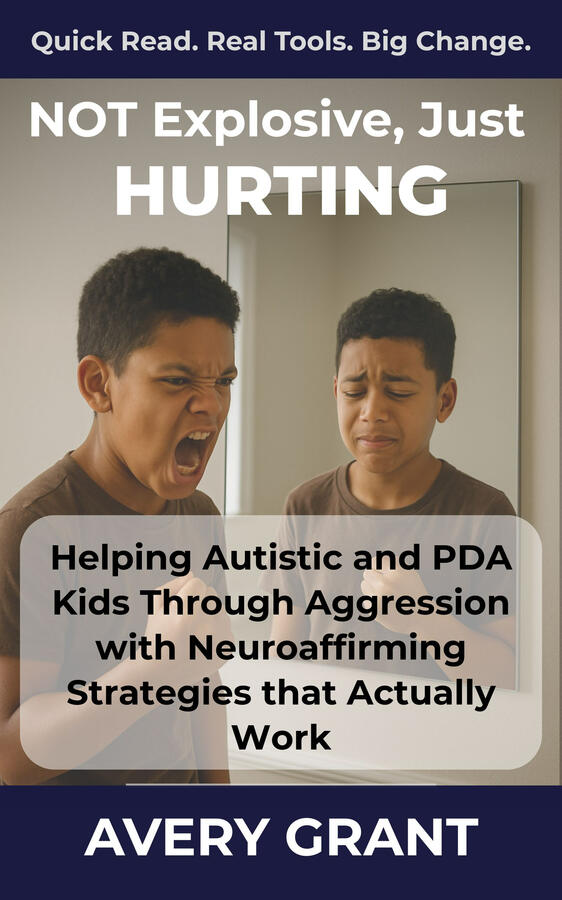
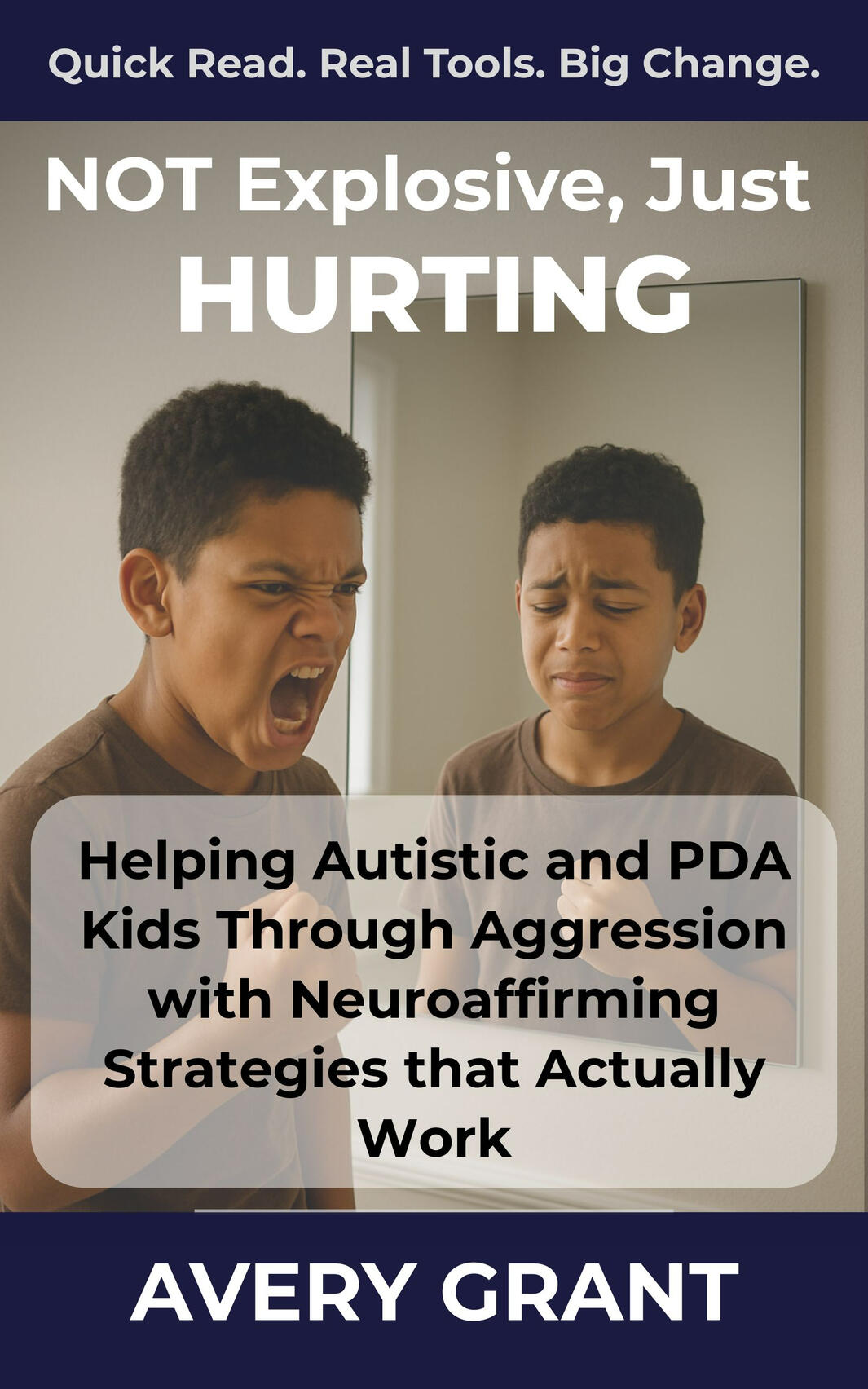
Not Explosive, Just Hurting
Helping Autistic and PDA Kids Through Aggression with Neuroaffirming Strategies that Actually WorkYour child isn't explosive. They're hurting. And every outburst is a signal — not a character flaw.
When hitting, screaming, or meltdowns keep coming back no matter what you try, it's not a parenting failure. It's a nervous system in crisis. For autistic and PDA kids, aggression is often the only way they know how to say "I'm not safe right now."
This guide helps you read those signals clearly — and respond in ways that actually reduce the behavior. Tools to lower the threat level before outbursts happen, scripts for repair after they do, and strategies to keep everyone safe without fear, force, or shame.
Less walking on eggshells. More confidence. For you and for them.
Part of the PDA Support Series
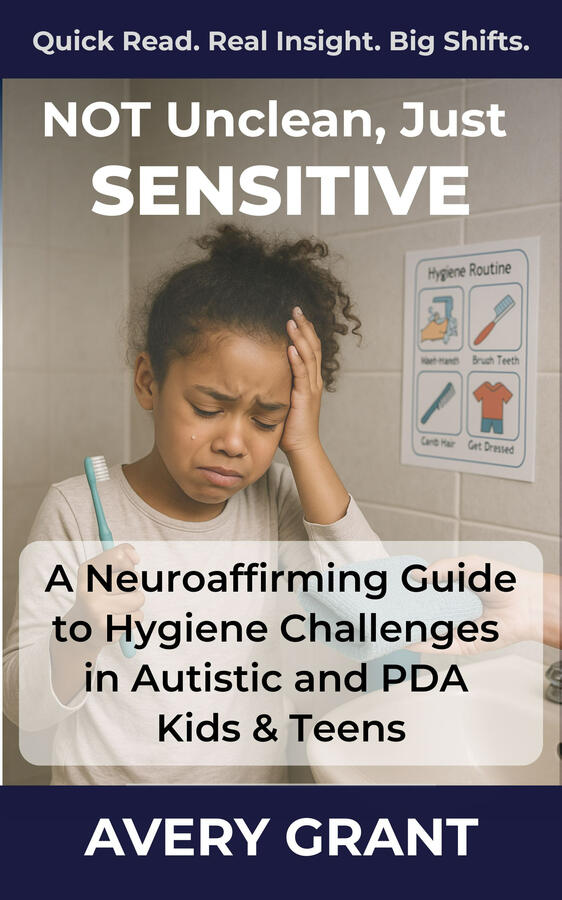
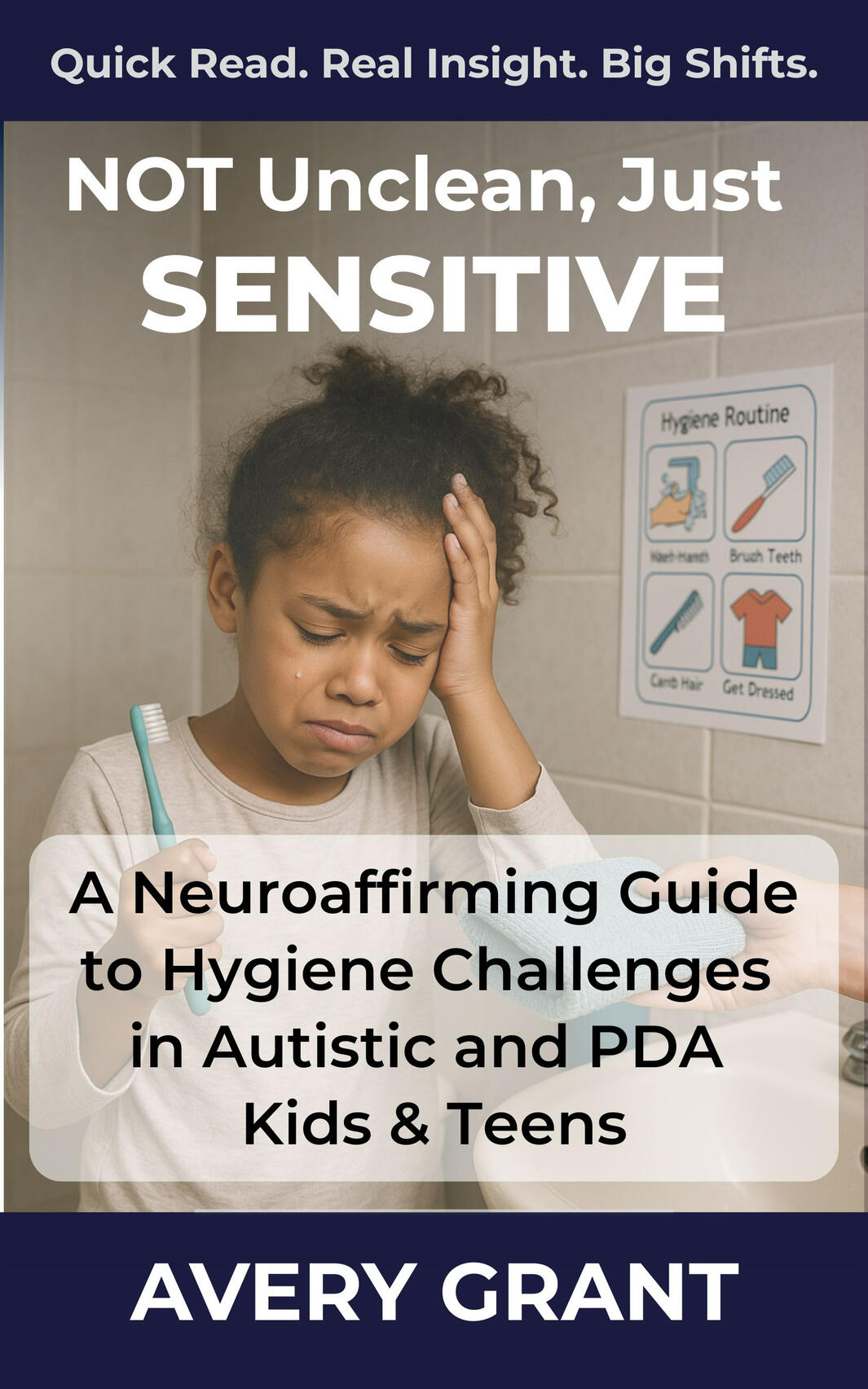
Not Unclean, Just Sensitive
A Neuroaffirming Guide to Hygiene Challenges in Autistic and PDA Kids & TeensYour child isn't being difficult. Their nervous system is in distress.
When toothbrushing ends in tears, hair washing triggers meltdowns, or basic hygiene feels like a daily battle — it's not laziness or defiance. For autistic and PDA kids, these moments are genuinely overwhelming. Sensory overload is real. Demand anxiety is real. And "just do it" makes it worse.
This guide covers the full picture: toothbrushing, bathing, hair washing, deodorant, nail clipping, sunscreen, and more. Pressure-free strategies, scripts that actually land, and compassionate guidance for the moments when hygiene can't wait. For younger kids, older kids, and teens.
Not about rewards or timers. About trust — built one small, safe moment at a time.
Part of the PDA Support Series
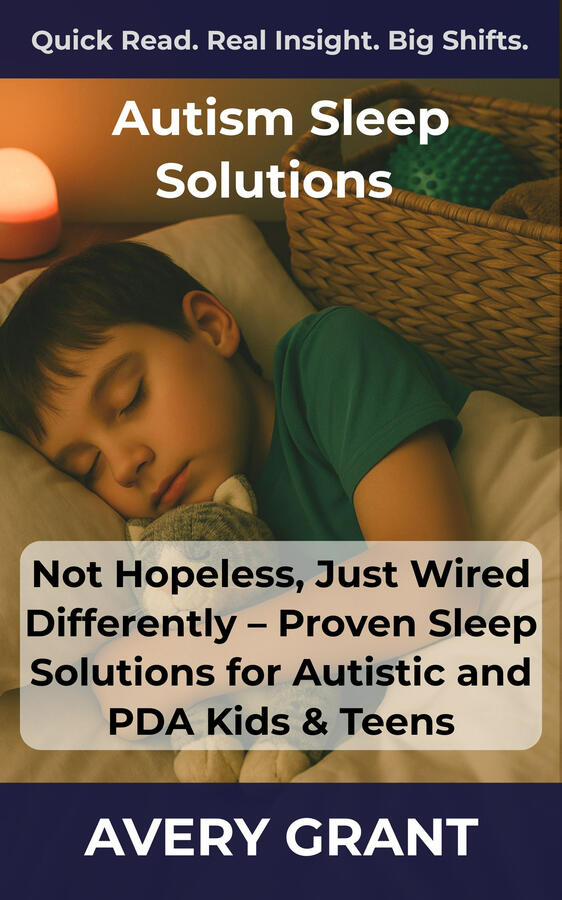
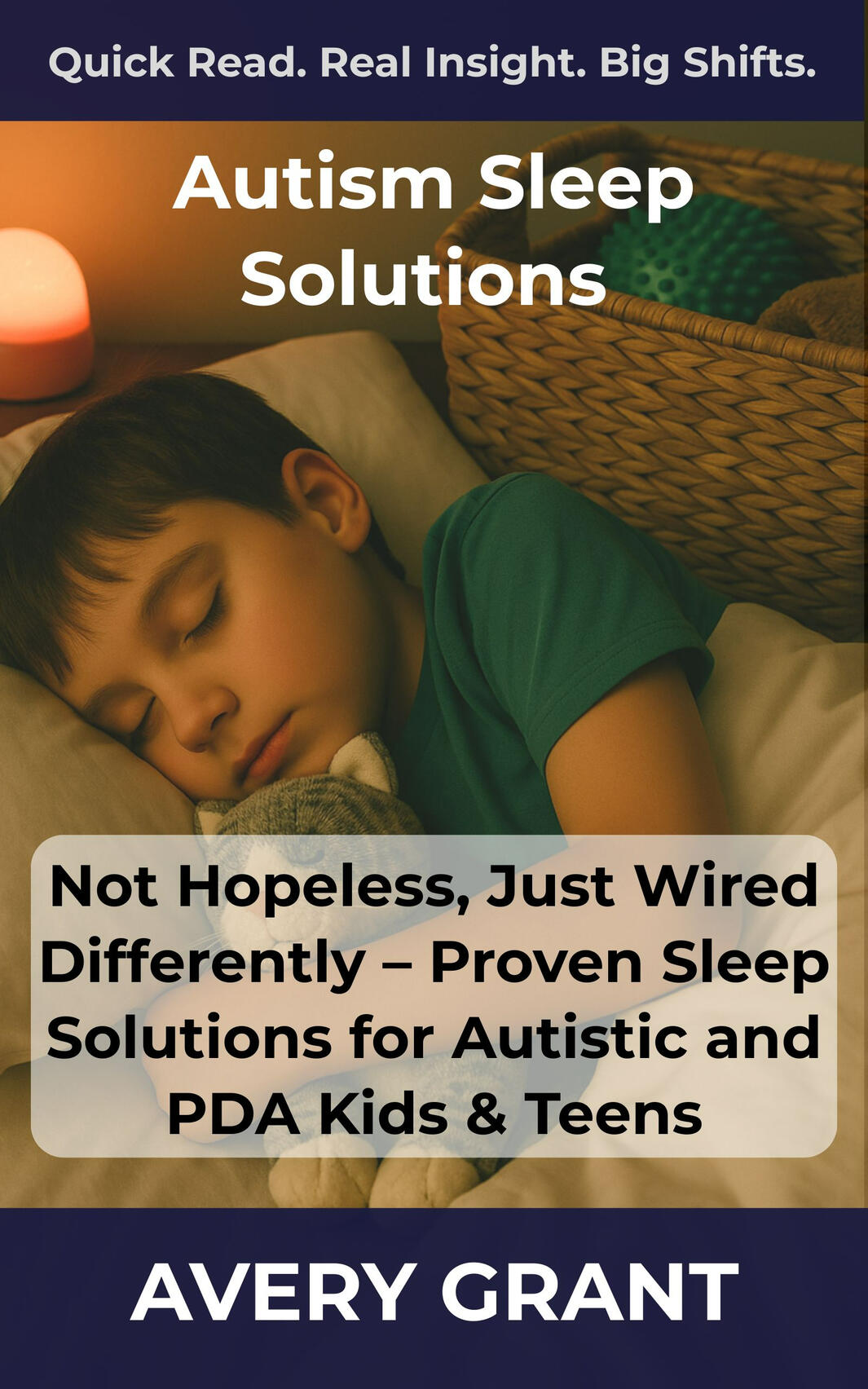
Autism Sleep Solutions
Not Hopeless, Just Wired Differently – Proven Sleep Solutions for Autistic and PDA Kids & TeensMost sleep books don't work for autistic and PDA kids. This one is designed for them.
When your child lies awake for hours, catches a second wind at 10pm, or wakes at 2am ready to go — it's not a parenting problem. Autistic and PDA kids are neurologically wired for different sleep patterns. Melatonin timing, sensory overload, circadian differences. Standard advice doesn't fit because it wasn't built for their brains.
This guide was. Calming routines, sensory-aware environments, supplement guidance, and real strategies for night wakings, early rising, and co-sleeping transitions — all designed around how your child actually works.
Like having a sleep consultant who finally gets it. For your child and for you.
Part of the PDA Support Series
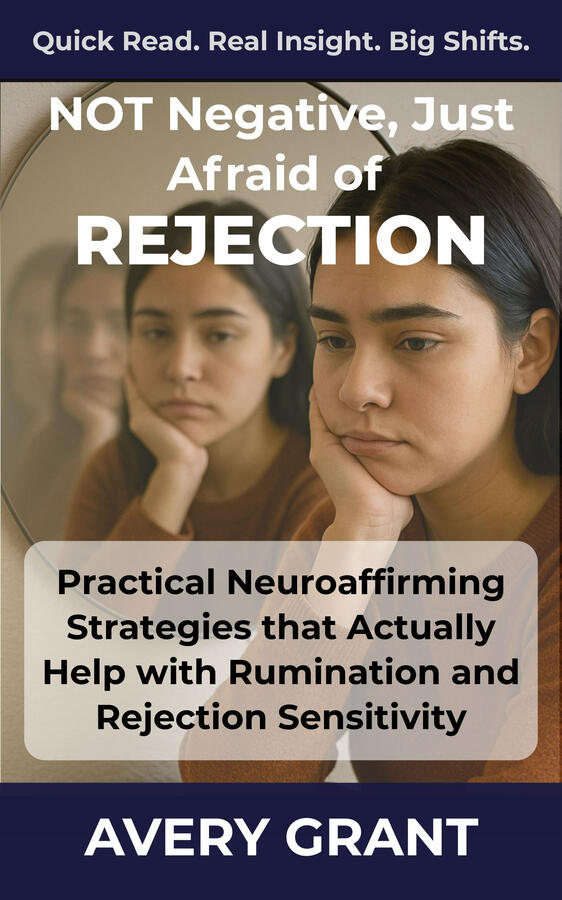
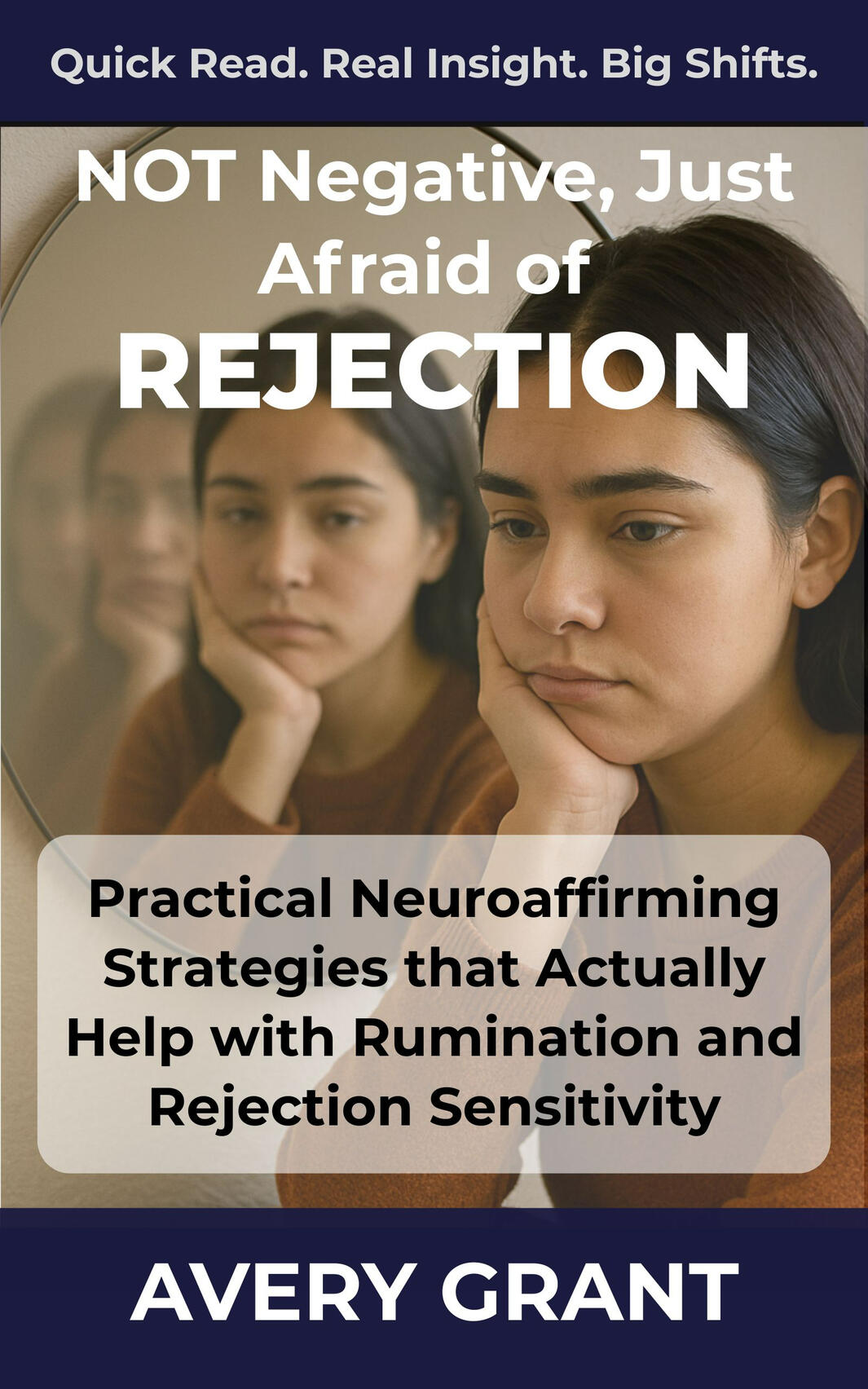
Not Negative, Just Afraid of Rejection
Practical Neuroaffirming Strategies that Actually Help Autistic and PDA Kids & Teens with Rumination and Rejection SensitivityYour child isn't being dramatic. They're trying to stay safe.
When small disappointments spiral into hours of distress, or gentle corrections land like devastating blows, it's not low self-esteem or attention-seeking. For autistic and PDA kids, rejection sensitivity is nervous system deep. Ordinary moments can feel like proof they don't belong — and quick reassurance doesn't touch it.
This guide shows you what actually does. Scripts and strategies to interrupt worry loops, validate big feelings without fueling shame, and help your child move through setbacks instead of getting stuck in them.
Because resilience isn't toughness. It's feeling safe enough to show up again.
Part of the PDA Support Series
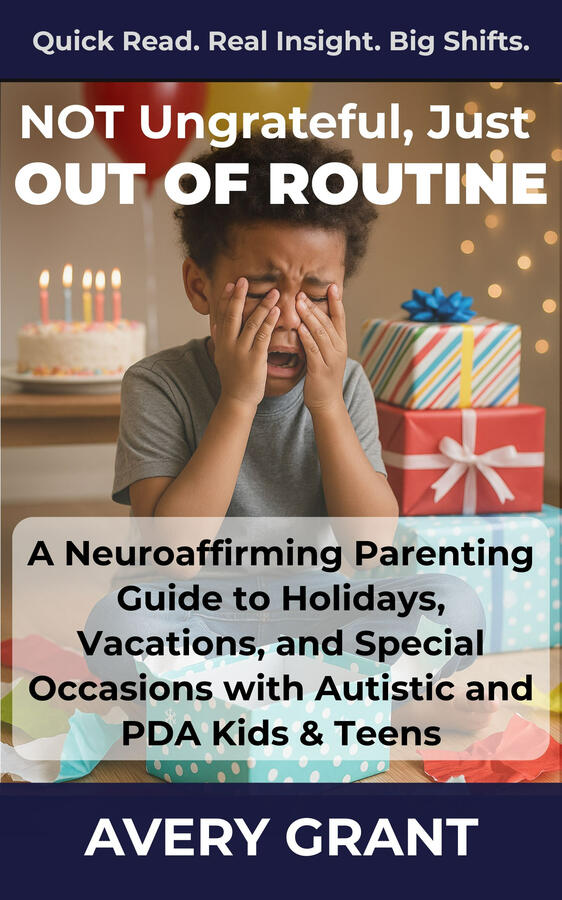
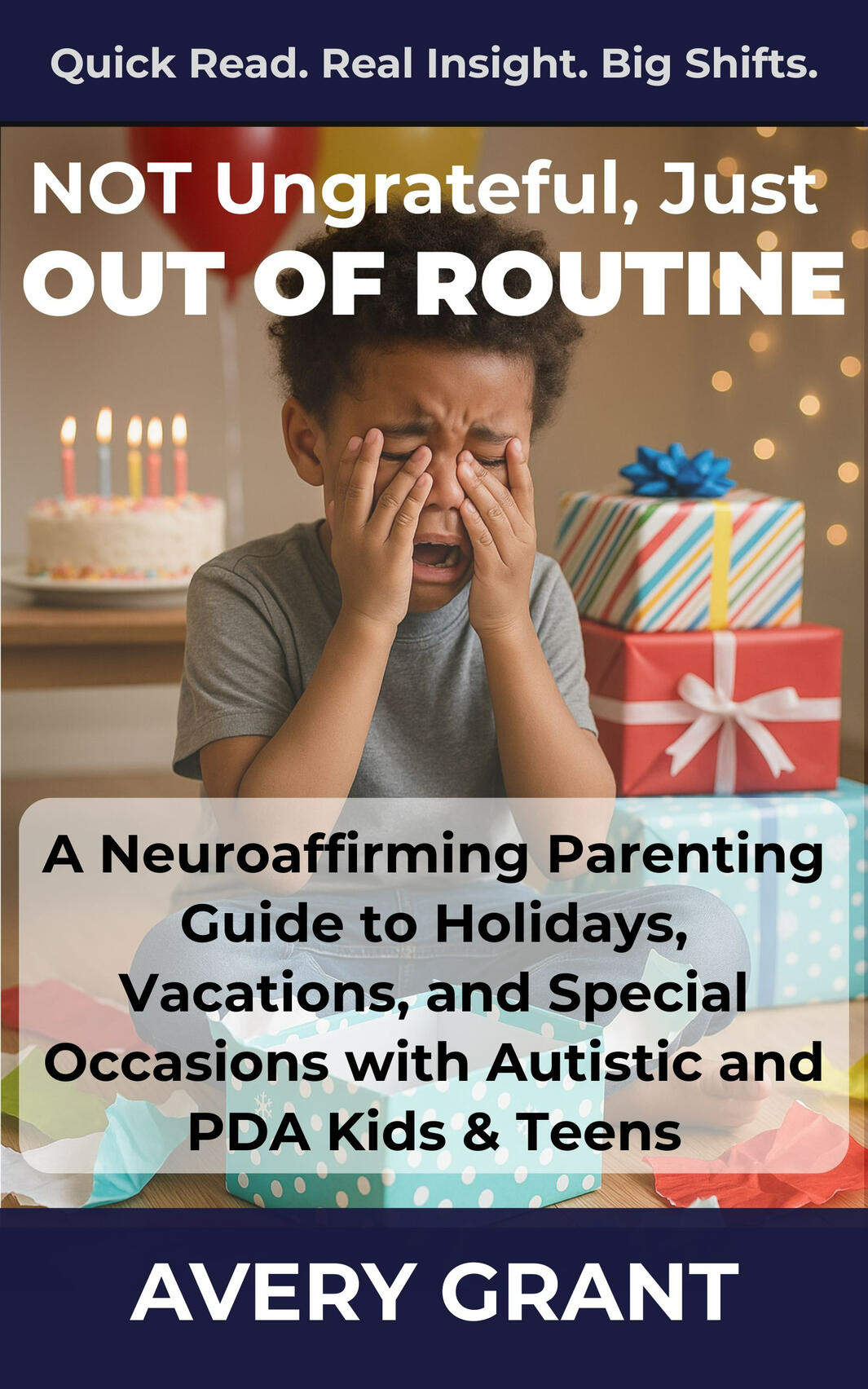
Not Ungrateful, Just Out of Routine
A Neuroaffirming Parenting Guide to Holidays, Vacations, and Special Occasions with Autistic and PDA Kids & TeensYour child isn't ungrateful. They're out of routine — and "fun" can be just as overwhelming as hard.
Meltdowns at family gatherings. Panic in hotel rooms. Birthday spotlight shutdowns. What looks like rudeness or ingratitude is a nervous system hit by change, pressure, and hidden demands all at once.
This guide gives you practical tools for all of it — holidays, birthdays, travel, cultural traditions, and the relatives who don't get it. Scripts for hard moments, strategies to lower hidden demands, and flexible ways to help your child participate without pushing them past their limits.
Not about forcing joy to look a certain way. About creating space for your child to actually feel it.
© Avery Grant 2026 | Privacy Policy | Contact
300 Lenora St. #6296, Seattle, WA 98121
As an Amazon Associate, I earn from qualifying purchases.
The Autism and PDA Coming of Age Series
As an Amazon Associate, I earn from qualifying purchases. This commission comes at no extra cost to you and makes it possible for me to keep creating these guides while keeping them low-cost and accessible for our community.
A neuroaffirming series supporting autistic and PDA teens and young adults through key milestones. The first book focuses on puberty, and upcoming guides will explore independence, relationships, and emotional growth.
Reader Favorite
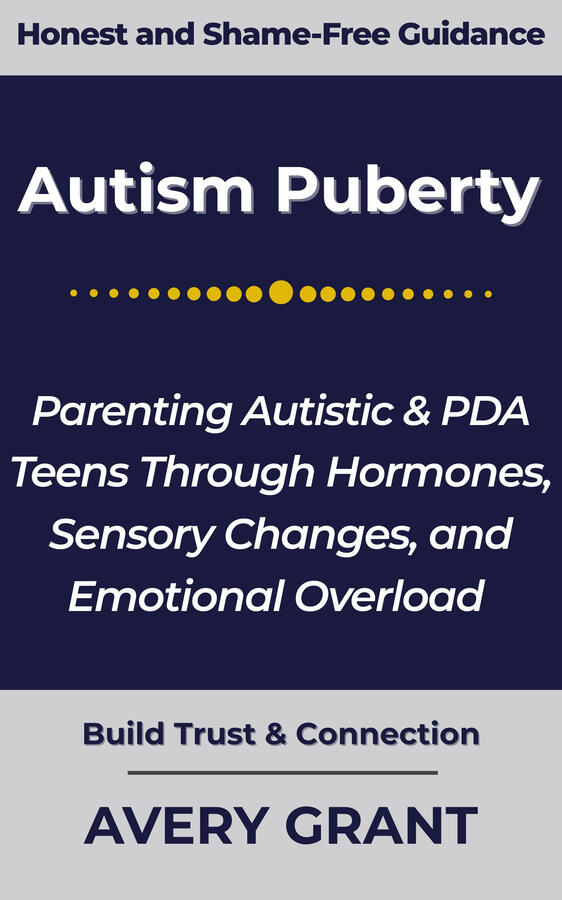
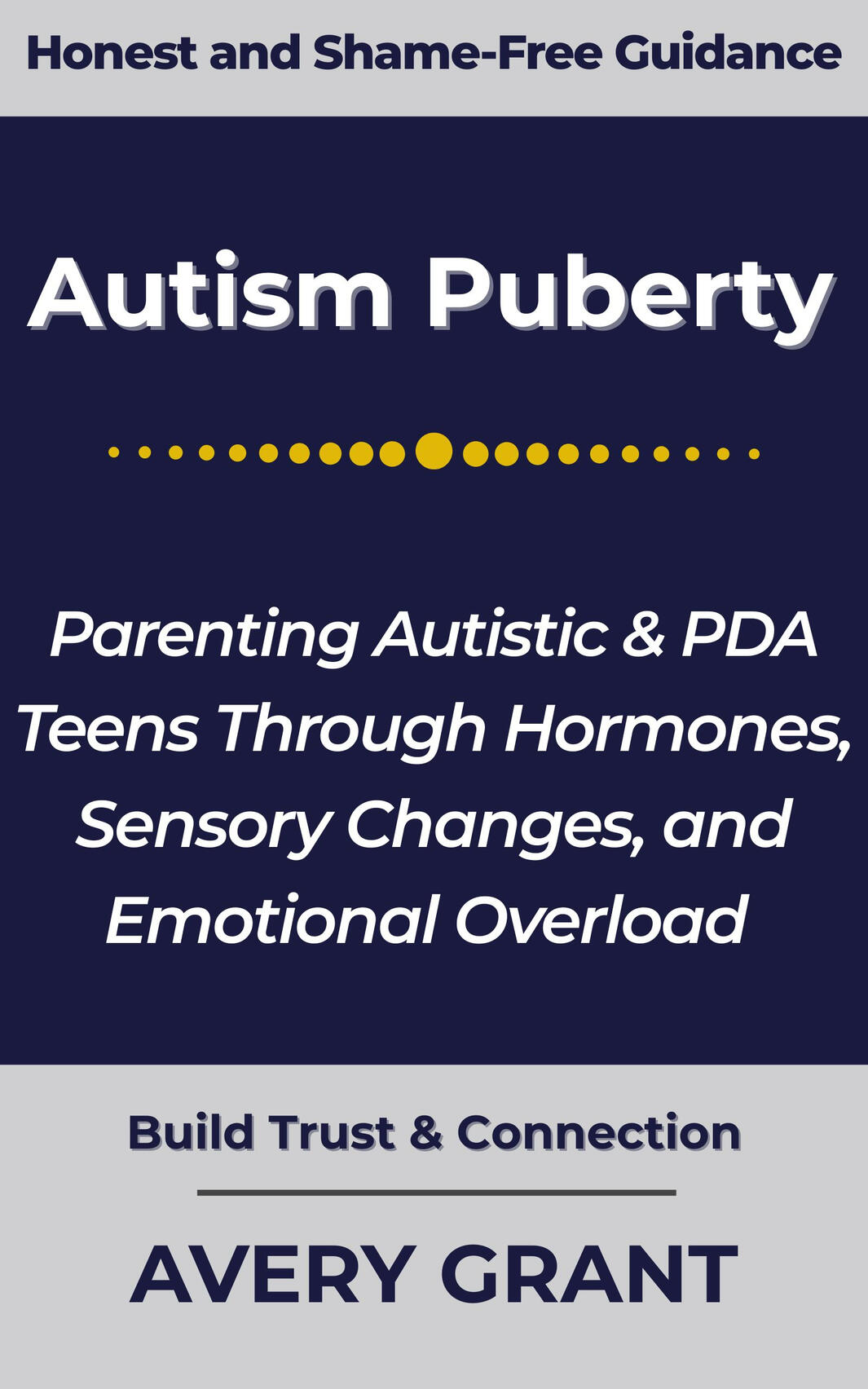
Autism Puberty
Parenting Autistic & PDA Teens Through Hormones, Sensory Changes, and Emotional OverloadPuberty is hard for every teen. For autistic and PDA teens, it can detonate everything.
Sudden meltdowns, hygiene battles, explosive emotions, shutdowns over body changes — this isn't defiance or drama. It's a nervous system already stretched thin, now flooded with hormones, sensory shifts, and social pressure all at once.
Most puberty guides weren't written for these kids. This one was. The topics other books skip — periods, private touch, consent, attraction, digital safety, testosterone surges, and the hygiene conversations that never seem to land — covered with calm, clarity, and zero shame.
Part of the Autism & PDA Coming of age series
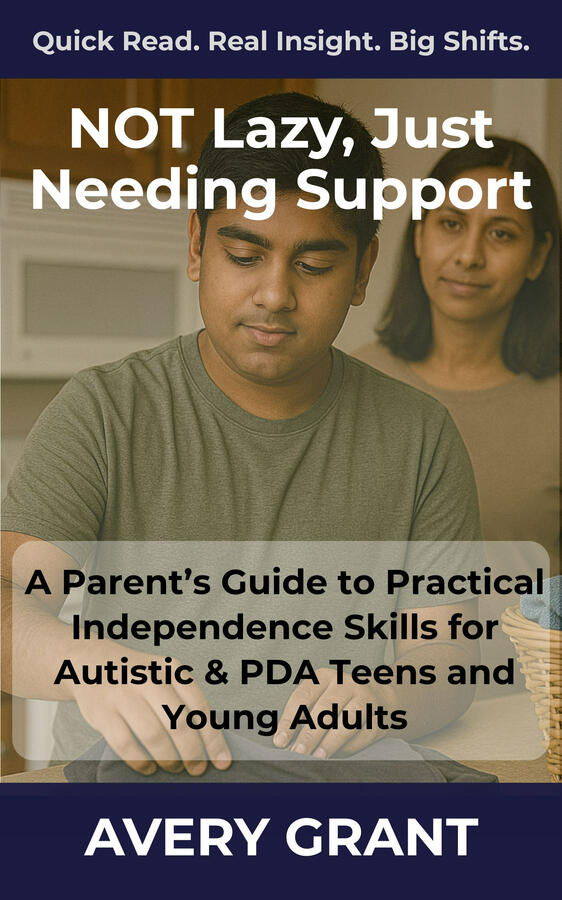
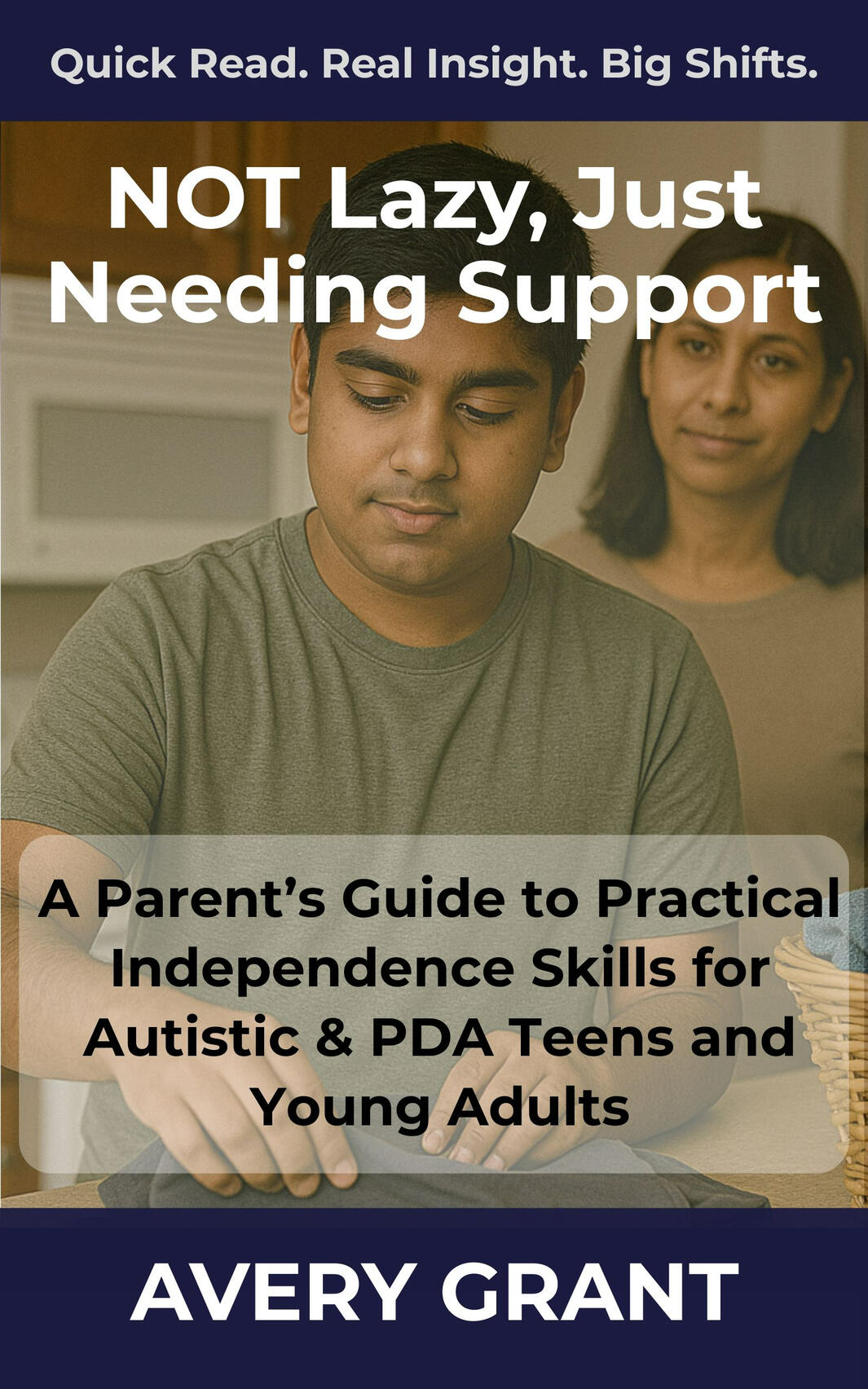
Not Lazy, Just Needing Support
A Parents Guide to Practical Independence Skills for Autistic & PDA Teens and Young AdultsThey know how to do it. They just can't seem to start. Or finish. Or sustain it. And you've started to wonder why.
It's not laziness. It's not lack of motivation. For autistic and PDA teens and young adults, independence doesn't stall because they don't care — it stalls because their nervous system is already at capacity. Burnout, executive function strain, and demand sensitivity don't show up as excuses. They show up as avoidance, shutdowns, and skills that disappear under pressure.
This guide shows you what's actually in the way — and how to build independence around it. Real-life skills: hygiene, money, meals, transportation, shared living, appointments. Scaffolding that reduces pressure instead of adding it. Scripts and systems that protect autonomy while still moving things forward.
Because independence doesn't grow through shame. It grows when the support finally fits.
Part of the Autism & PDA Coming of age series
Not Stuck, Just Finding My Path
A Parent's Guide to Supporting Autistic and PDA Teens and Young Adults Through School and CareersYour teen is capable. You know it. But capable and moving forward are two very different things.
Homework battles, school refusal, no plan after graduation, conversations about the future that go nowhere — for autistic and PDA teens, this isn't procrastination or attitude. It's a nervous system overwhelmed by pressure, expectation, and loss of control. Pushing harder doesn't unlock them. It shuts them down further.
This guide shows you what actually moves things forward. How to reduce school battles without giving up on education, evaluate realistic paths after high school, and support entry into work in ways that build confidence instead of burning them out.
Not about lowering expectations. About finding the route that fits the person taking it.

NEW RELEASE
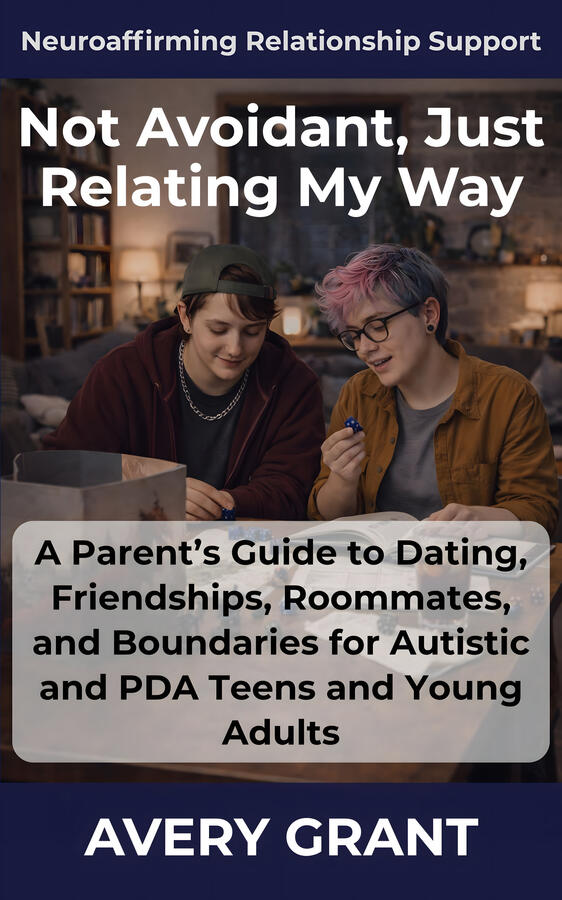
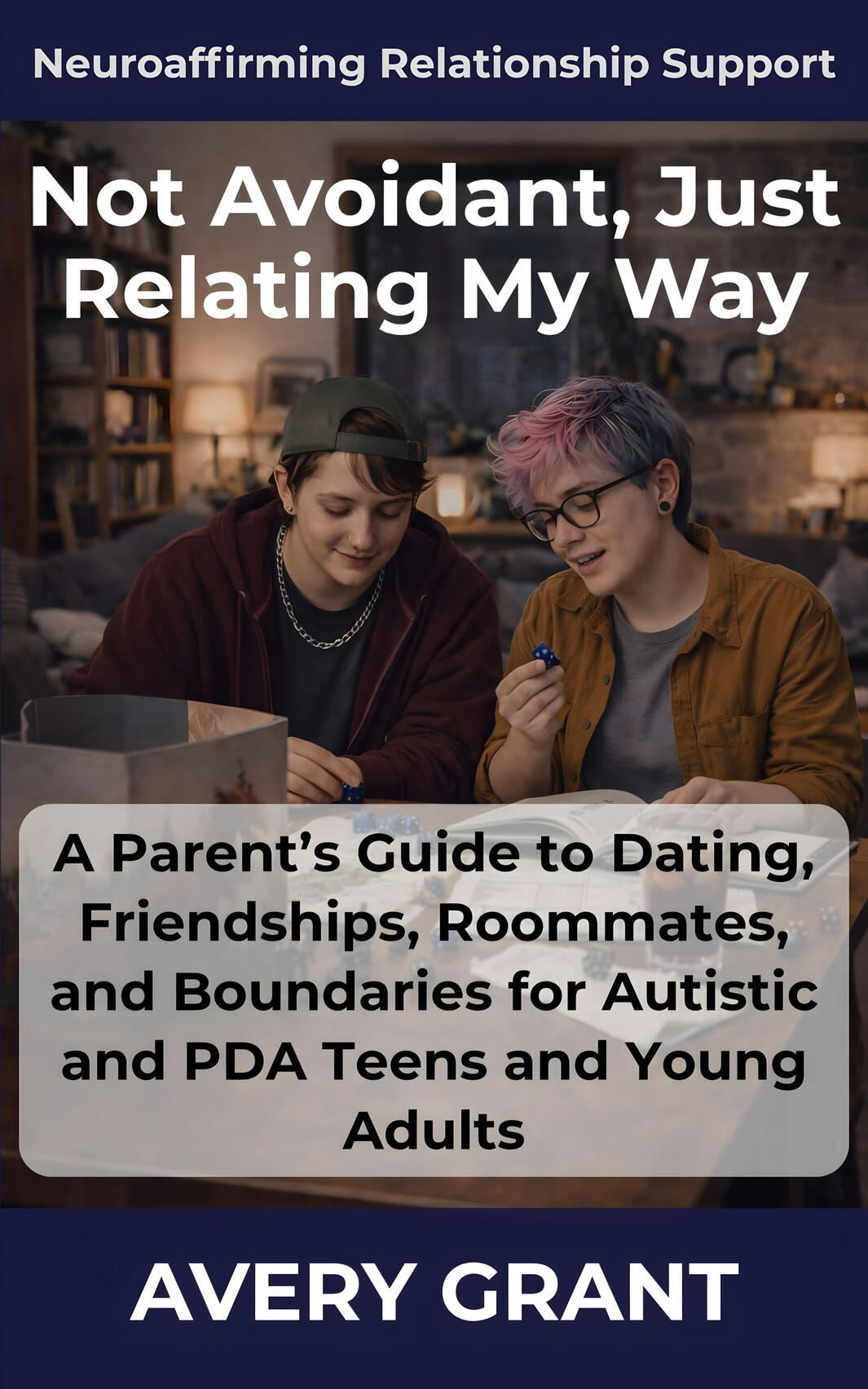
Not Avoidant, Just Relating My Way
A Parent's Guide to Dating, Friendships, Roommates, and Boundaries for Autistic and PDA Teens and Young AdultsIf your teen or young adult struggles with friendships, shuts down after social situations, or ends up in relationships that don’t feel right, you’re not alone.For autistic and PDA teens, relationships can be intense, confusing, and overwhelming. Fast attachments, escalating conflict, boundary struggles, or staying too long — this isn’t poor judgment. It’s a nervous system navigating connection without clear rules.This guide shows you exactly how to help.
Friendships, dating, boundaries, consent, and social burnout — with practical strategies and real scripts you can use in the moments that matter.
© Avery Grant 2026 | Privacy Policy | Contact
300 Lenora St. #6296, Seattle, WA 98121
As an Amazon Associate, I earn from qualifying purchases.
Additional Autism Support Guides
As an Amazon Associate, I earn from qualifying purchases. This commission comes at no extra cost to you and makes it possible for me to keep creating these guides while keeping them low-cost and accessible for our community.
A small collection of gentle, neuroaffirming guides for families navigating autism outside the PDA profile. These books offer clear, compassionate support for recognizing autism, talking with your child about their diagnosis, and helping relatives understand your child in a respectful and practical way.
FOR PARENTS WONDERING “IS THIS AUTISM?”
When Anxiety Isn't Just Anxiety
Could Your Child’s Anxiety Be Autism in Disguise?
Something isn't adding up. The anxiety label fits — but it doesn't explain everything.
For many bright, sensitive, and social kids — especially girls, gifted children, and those with a PDA profile — autism doesn't look like the textbooks. It looks like overwhelm, perfectionism, and anxiety that never quite responds to the right treatments. Because anxiety isn't the root cause. It's the symptom.
This guide helps you see the full picture. The signs that get missed in kids who don't fit the mold, why masking hides so much, and what to do next — whether you pursue an evaluation or start supporting your child right now.
No diagnosis required to start helping your child today.


Prevent Shame. Build Trust.
Telling Your Child They Are Autistic
A Step-by-Step Compassionate Guide with Customizable Scripts
Telling your child they're autistic is one of the most important conversations you'll ever have. It doesn't have to be scary.
Research shows that early, open, and affirming disclosure helps autistic children build a stronger sense of identity and self-worth. But knowing that doesn't make the words come easier. What do you say? When? How do you answer the hard questions without saying the wrong thing?
This guide walks you through all of it. Step-by-step guidance for different ages, customizable scripts that feel natural, and gentle ways to respond to your child's emotions — so the conversation builds connection instead of confusion.
Because your child deserves to know who they are. And you deserve to feel ready when you tell them.
FOR YOUR SUPPORT SYSTEM
Understanding Autism for Families
Practical Ways to Build Strong Bonds with Your Autistic Loved One
Autism can be hard to understand — especially when it doesn’t look the way people expect. This short, supportive guide helps grandparents, extended family, and friends better understand your autistic loved one in a respectful, neuroaffirming way.
Inside, they’ll learn why certain behaviors aren’t defiance, what actually helps (and what doesn’t), and how to build trust and connection with the autistic person in their life.
© Avery Grant 2026 | Privacy Policy | Contact
300 Lenora St. #6296, Seattle, WA 98121
As an Amazon Associate, I earn from qualifying purchases.
Who Is Avery Grant?
Author of the Autism and PDA Support Series and the Autism & PDA Coming of Age Series
Last updated: July 19, 2026
Avery Grant is a writer, researcher, and neurodiversity advocate who creates clear, compassionate, and practical guides for families, educators, and individuals navigating emotional and developmental challenges.Avery never set out to write parenting books. But when their child was identified as autistic with a strong PDA profile, everything shifted. That experience opened the door to understanding their own neurodivergence — and revealed just how hard it can be to find the right kind of support. Most resources felt too long, too expensive, or too focused on "fixing" kids instead of understanding them. So Avery began writing the guides they wished they'd had: short, respectful, and actually useful for real life.Writing under the pen name Avery Grant allows for honesty and vulnerability while protecting the privacy of their neurodivergent family. It reflects a deep commitment to personal boundaries — especially when writing about sensitive topics like childhood, mental health, and identity.Avery is neurodivergent and brings both lived experience and close collaboration with professionals to every guide. Over the years, they've worked with psychologists, occupational therapists, speech-language pathologists, developmental pediatricians, and neuropsychologists. The guides are rooted in research, but always shaped by what real families go through day to day.Representation matters, and diversity makes us stronger. Avery intentionally chooses inclusive images that reflect a wider range of families, so more parents can feel seen, welcomed, and understood.
The Mission
Make support more accessible. These guides are written for burned-out parents, overwhelmed educators, late-diagnosed adults piecing things together, and every family who hasn't always seen themselves reflected in autism resources — but deserves understanding and validation all the same.When children grow up feeling respected instead of shamed, they're more likely to become adults who lead with empathy. Parenting with less shame and more connection doesn't just change one relationship — it has the power to change lives.
A Note on How These Guides Are Made
These guides are created with the support of AI-assisted tools, used to help organize ideas and speed up the writing process. Every guide is shaped by lived experience and grounded in current neuroaffirming principles and widely accepted best practices — AI supports the structure and drafting, not the substance.Many families don't have access to neuroaffirming therapists, evaluations, or specialized support, and that access is only getting harder to come by. Used responsibly, AI can help close that gap — making compassionate, well-researched resources available faster and at lower cost. It's part of why these guides are offered primarily as ebooks: to keep them affordable and accessible to families facing real barriers to traditional support.The hope, always, is that these guides offer awareness, validation, and practical tools to the people who need them — diagnosis or no diagnosis, professional support or none at all.
Can't Buy Right Now? Try Your Library
These guides are also available through library apps like Libby and OverDrive — not just on Amazon. If a title isn't showing up at your library yet, most systems let you request it: look for "Suggest a Title" or "Recommend to Library" right in the Libby app, or on your library's website. It usually takes less than a minute, and it helps other families in your community find these guides too.
Stay Connected
Get compassionate, neuroaffirming strategies and updates from Avery Grant — including new guides as they're released and practical tools you can use right away. No spam, just support for the moments that are actually hard.
Common Questions About Autism and PDA
PDA and Autism Basics
What is PDA in autistic children?
PDA, or Pathological Demand Avoidance, is a profile within autism characterized by an intense need to avoid everyday demands and expectations. This avoidance is not about willfulness or defiance, but about how the child’s nervous system responds to perceived loss of autonomy. Even small requests can trigger stress responses such as fight, flight, freeze, or shutdown. PDA children often appear capable and verbal, which can make their struggles easy to misunderstand.
Is PDA a recognized diagnosis?
PDA is widely recognized as a profile within autism, particularly in the UK and internationally, though it is not always formally labeled in diagnostic manuals in every country. This does not mean the experiences described by PDA are invalid or uncommon. Many clinicians recognize demand-sensitive autistic profiles even if they use different terminology. Understanding PDA as a descriptive framework can still be extremely helpful for guiding support.
How is PDA different from defiance, ODD, or “not listening”?
In autistic children, behaviors that look defiant are often stress responses rather than intentional opposition. PDA differs from defiance or ODD because the child’s nervous system becomes overwhelmed by perceived pressure, not because they are choosing to resist authority. Many autistic children want to meet expectations but cannot access that capacity in the moment. This distinction is crucial for choosing supportive responses.
Why do everyday demands feel hard for some autistic children?
For many autistic children, everyday demands can activate stress due to sensory sensitivity, uncertainty, or fear of losing control. This reaction may be especially intense for children with a PDA profile, but it is not limited to PDA. Transitions, time pressure, and direct instructions can all increase overwhelm. When stress builds, compliance becomes neurologically difficult rather than emotionally resistant.
Is this a behavior problem or a nervous system response?
In autistic children, many challenging behaviors are best understood as nervous system responses rather than behavior problems. The brain is prioritizing safety when situations feel unpredictable or overwhelming. Once the nervous system is regulated, the same child may appear flexible, cooperative, and thoughtful. This fluctuation often leads adults to misinterpret motivation.
Why do traditional parenting strategies backfire for some autistic kids?
Strategies based on pressure, rewards, or consequences often assume that compliance is primarily a choice. For autistic children who experience high stress around demands, these approaches can increase anxiety and resistance instead. This is especially true for children with demand-sensitive profiles such as PDA. Reducing pressure and supporting regulation often leads to more cooperation than escalating expectations.
Is my child being manipulative, controlling, or overwhelmed?
When autistic children try to negotiate, delay, or redirect tasks, it is usually a sign of overwhelm rather than manipulation. These behaviors are often attempts to regain a sense of safety and predictability. Children with PDA may rely on these strategies more frequently, but many autistic kids use them when stress is high. Interpreting these moments through a regulation lens changes how adults respond.
Can autistic children who struggle with demands still be empathetic or highly capable?
Yes. Many autistic children who struggle with demands are intelligent, empathetic, and deeply thoughtful. Strong verbal skills or emotional insight do not eliminate nervous system vulnerability. These strengths can sometimes mask internal stress and lead adults to expect more than the child can reliably manage. Capacity fluctuates with regulation, not character.
How are autism, anxiety, sensory sensitivity, and PDA connected?
Autism often involves heightened sensory processing and sensitivity to uncertainty, both of which can increase baseline stress. Anxiety may be present even when it is not obvious. For some children, this combination results in a PDA profile where demands feel especially threatening. For others, similar stress shows up differently. Understanding these overlaps helps families respond with compassion rather than control.
How can I tell if PDA explains my child’s behavior?
PDA is not about checking boxes, but about noticing patterns. Children who fit a demand-sensitive profile often show intense reactions to everyday expectations, escalate when pressure increases, and do better with indirect or choice-based approaches. What matters most is whether reducing perceived demands leads to greater regulation and cooperation. A PDA framework can be useful even without a formal label.
What helps autistic children who struggle with demands?
Children who experience high stress around demands often benefit from reduced pressure, increased autonomy, and support for nervous system regulation. Indirect language, collaborative problem-solving, and flexibility can help lower threat responses. What helps most is shifting from control-based approaches to understanding what the child’s nervous system can handle. Support works best when it prioritizes regulation over compliance.
Younger Kids & Daily Life
Why does my autistic child melt down over small, everyday tasks?
For many autistic children, everyday tasks such as getting dressed, brushing teeth, or leaving the house involve sensory discomfort, uncertainty, and transitions. These factors can stack quickly and overwhelm the nervous system. What looks like an outsized reaction is often the result of cumulative stress rather than the task itself. Meltdowns are a sign of overload, not immaturity.
Why does my child refuse things they actually enjoy?
Autistic children may resist even preferred activities when they feel pressured or rushed. The expectation itself can turn something enjoyable into a source of stress. This is especially common in demand-sensitive children, including those with a PDA profile. Removing pressure often allows interest and enjoyment to return.
Why does my child need control over everything?
What looks like a need for control is often a need for predictability and safety. Autistic children may seek control when their environment feels overwhelming or unpredictable. Control helps reduce anxiety and regulate the nervous system. As children feel safer, the need for control often decreases naturally.
Why does my child behave at school but fall apart at home?
Many autistic children hold themselves together during structured or socially demanding environments. Home is where their nervous system finally releases accumulated stress. This pattern does not mean the child is choosing to behave differently; it reflects delayed emotional processing. Home is often where children feel safest expressing overload.
Why do transitions cause such big reactions?
Transitions require shifting attention, expectations, and sensory input all at once. For autistic children, this can be neurologically demanding. Sudden transitions increase uncertainty and perceived loss of control. Predictability and gradual transitions often reduce distress.
Why does my child argue, negotiate, or distract instead of complying?
These behaviors are often adaptive strategies to reduce pressure. Autistic children may negotiate or delay when a demand feels overwhelming. This is not manipulation, but an attempt to protect themselves from stress. Understanding this can change how adults respond in the moment.
Why do rewards and consequences not work for my child?
Rewards and consequences increase focus on the demand itself, which can raise stress for autistic children. When anxiety is high, external motivators lose effectiveness. Cooperation improves when children feel safe and regulated, not when pressure increases. Motivation follows regulation, not the other way around.
Why does my child’s behavior seem unpredictable from day to day?
Autistic children’s capacity depends heavily on nervous system regulation. Sleep, sensory input, social demands, and transitions all affect how much stress a child is carrying. On low-stress days, children may appear flexible and cooperative. On high-stress days, the same expectations may feel impossible.
Is my child too young for demand avoidance or PDA traits?
Demand sensitivity can appear very early in some autistic children. This does not mean a child will always struggle in the same way. Early signs often reflect nervous system sensitivity rather than fixed behavior patterns. Understanding this early can help families respond with support instead of escalating pressure.
What actually helps autistic children during everyday routines?
Everyday routines become easier when pressure is reduced and predictability is increased. Visual supports, choices, collaborative language, and flexible timing can all lower stress. Supporting regulation first makes skill-building more effective. Small changes in how demands are presented often lead to big changes in cooperation.
Teens & Young Adults
Why does my autistic teen resist everyday demands?
Many autistic teens resist everyday demands because demands increase nervous system stress. Even small expectations can feel overwhelming when a teen is already managing sensory input, anxiety, and cognitive load. For teens with a PDA profile, pressure can trigger a threat response rather than cooperation. What looks like defiance is often self-protection. Reducing pressure and focusing on collaboration rather than compliance can make daily tasks more manageable.
What does PDA look like in teens and young adults?
In teens and young adults, PDA often looks less like open refusal and more like avoidance, shutdown, anxiety, or exhaustion. These teens may appear capable but struggle with expectations around school, routines, or independence. PDA is driven by anxiety and a strong need for autonomy, not by laziness or lack of motivation. Understanding this difference is key to providing effective support.
Why does my teen seem capable but can’t follow through?
Understanding expectations is not the same as being able to act on them. Many autistic teens struggle with executive function, anxiety, or demand avoidance, which can make initiation and follow-through difficult. Tasks that feel pressured or emotionally loaded can cause the brain to freeze. This gap between ability and action is common and does not mean a teen is choosing not to try.
Why does my autistic teen shut down instead of refusing?
Some autistic teens respond to overwhelm by shutting down rather than arguing or refusing. Shutdown can look like withdrawal, silence, or disengagement and is a stress response, not indifference. For teens who find conflict unsafe or overwhelming, shutdown may feel like the only option. Recognizing shutdown as distress rather than disinterest helps parents respond with support instead of pressure.
Why does my autistic teen melt down over small things?
Meltdowns often happen after stress has been building for hours or days. Sensory overload, social demands, masking, and anxiety can all accumulate. A small request or change may be the final trigger, even if it seems minor. Meltdowns are not deliberate behavior; they occur when the nervous system is overwhelmed and can no longer regulate effectively.
Why does my autistic teen struggle with routines and transitions?
Routines and transitions require flexibility, planning, and emotional regulation. For autistic teens, especially those with PDA traits, transitions can feel like a sudden loss of control. Even predictable routines may be stressful if they are rushed or imposed. Extra time, clear previews, and choice within routines can make transitions feel safer and more manageable.
Is PDA still a thing in teenagers and young adults?
Yes. PDA does not disappear with age and often becomes more noticeable in adolescence and young adulthood as expectations increase. Instead of overt refusal, PDA may show up as anxiety, shutdown, or avoidance. Without understanding PDA, teens may be mislabelled as unmotivated or noncompliant. Recognizing PDA helps families adjust expectations and reduce unnecessary pressure.
Why does my autistic teen avoid responsibility even when they care?
Avoiding responsibility is often about stress, not apathy. Many autistic teens associate responsibility with pressure, fear of failure, or loss of autonomy. When the emotional cost feels too high, avoidance becomes a protective response. Supporting responsibility works best when expectations are flexible, collaborative, and matched to the teen’s current capacity.
What helps autistic teens and young adults cope better day to day?
Day-to-day coping improves when support focuses on reducing stress rather than increasing control. Predictability, clear communication, downtime, and respect for autonomy all help regulate the nervous system. Practical supports are often more effective than discipline or rewards. When overall stress is lower, teens are better able to cope with everyday demands.
How can I support independence without constant conflict?
Independence develops best when teens feel safe, supported, and respected. Pushing independence too quickly can increase avoidance and anxiety. Offering choices, reducing unnecessary demands, and allowing progress at an individual pace helps build confidence over time. Independence grows more sustainably when it is collaborative rather than enforced.
These themes are explored in greater depth throughout the guides on this site.
Privacy Policy
Effective Date: 03/05/2026
At Avery Grant, your privacy is a priority. This policy explains how we collect, use, and protect your information, particularly regarding our participation in affiliate programs and the use of tracking technologies.1. Information We Collect
Email Address: When you subscribe to our newsletter, we collect your email to send updates and resources.Voluntary Information: We collect any names or details you provide when contacting us directly.Technical Data & Cookies: We use cookies, pixels, and similar technologies to understand how you interact with our site and to track qualifying purchases made through our affiliate links.2. Affiliate Disclosure & Third-Party Tracking
Avery Grant is a participant in the Amazon Services LLC Associates Program.
When you click on a book link on this site, a "cookie" is placed in your browser for a limited time. This cookie identifies you as having come from this website so that we may earn a small commission on qualifying purchases.Third-Party Data: Amazon and other third parties may collect information directly from you (such as your IP address and browser type) when you interact with their links or content on our site.No Extra Cost: These commissions help support our work and do not change the price you pay for any items.3. How We Use Your Information
To deliver the resources and newsletters you requested.To analyze website traffic to improve user experience.To manage and track our affiliate partnership performance.4. Data Protection & Sharing
We use reasonable technical measures to protect your data. We do not sell your personal information. Your data is only shared with third-party service providers (like our email platform or Amazon) to perform the specific services mentioned above, or as required by law.5. Your Rights & Managing Information
Unsubscribe: You may opt-out of emails at any time via the link in our footer.Cookie Control: You can set your browser to refuse all or some cookies, though this may affect how some parts of the site function.Data Requests: To request the correction or deletion of your data, contact us at [email protected].6. Children’s Privacy
Our content is intended for parents and caregivers. In accordance with COPPA (2026 Update), we do not knowingly collect or retain personal information from children under 13.7. Contact Us
📧 [email protected]
📬 Avery Grant, 300 Lenora St. #6296, Seattle, WA 98121
Thanks for Signing Up